If you like us, REALLY like us, please click the “Like” button at the end of this post!
We appreciate your support!
When we vote, we WIN!
Make sure to check your voter registration!
Today’s Black History WOW!
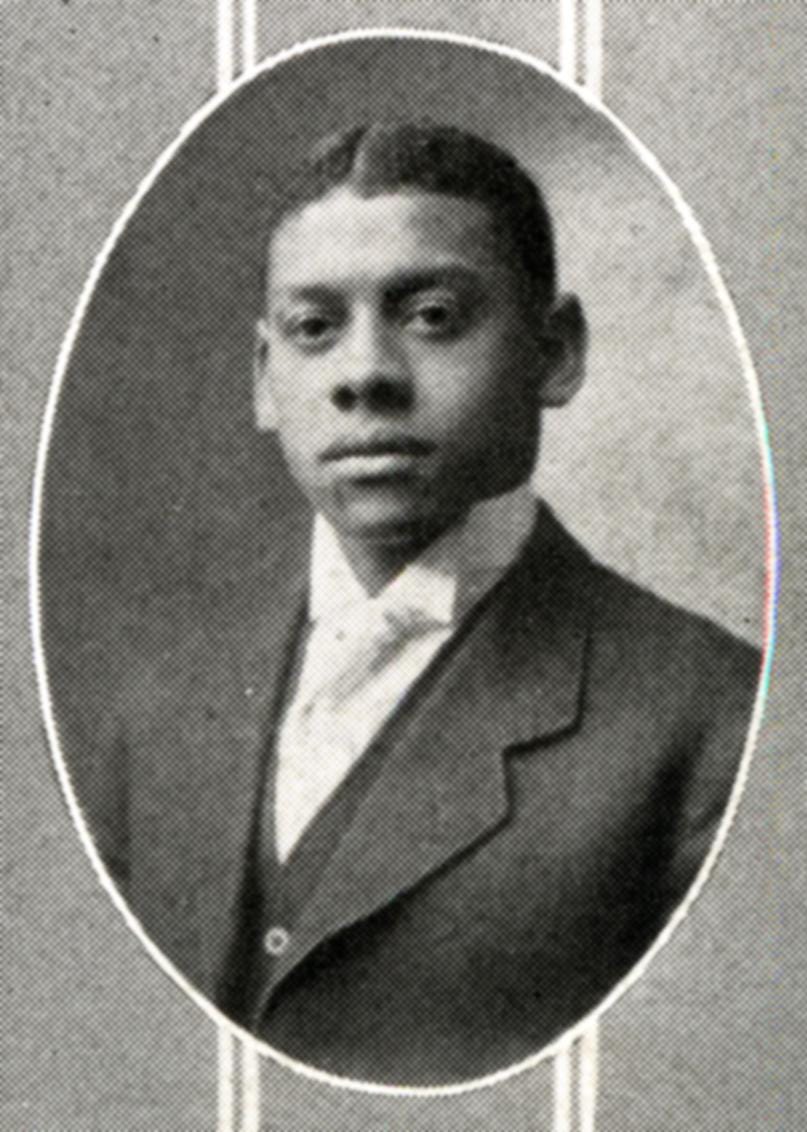
Cornelius L. Henderson was born in Detroit, Michigan, on August 13, 1887. His father, Rev. James Henderson, held Bachelor’s, Law, and Divinity degrees from several prestigious universities and was a Pastor of the historic Mother Bethel A.M.E. Church in Detroit. Rev. Henderson also served as president of the HBCUs Morris Brown College in Atlanta and Payne University in Selma.
Cornelius Henderson graduated from the University of Michigan in 1911 with a degree in civil engineering. Despite enjoying the distinction of being U-M’s second African-American graduate in the field of engineering—the first was Frederick Blackburn Pelham, class of 1887—he struggled to begin a career. Engineering jobs were plentiful, but companies refused to hire him because of his race.
Finally, Henderson crossed paths with a fellow U-M undergraduate engineering student, B.K. Bash, a 1909 graduate of the university’s engineering department. Bash encouraged Henderson to apply to the company where he worked, the Canadian Bridge Company (CBC), located across the Detroit River in Walkerville, Ontario.
Henderson remained with the CBC for 47 years, retiring in 1958. First hired as a draftsman in the company’s drafting department in 1911, Henderson quickly worked his way up the ranks by demonstrating a high degree of technical competence.
By 1917, he had become manager of the stock department, and he was further elevated to steel cost estimator in 1920. He worked in that capacity until 1928 when he was promoted to the structural design engineer.
Perhaps Henderson's most celebrated accomplishment is his work on two of America's most iconic structures: the Ambassador Bridge and the Detroit-Windsor Tunnel. Construction of the Ambassador Bridge lasted from the summer of 1927 to the fall of 1929. Henderson, who was appointed chief structural steel designer for the Canadian side of the international project, first designed the Windsor approach to the bridge and later supervised the installation of many of the bridge’s steel sections.
In addition to the Ambassador Bridge, Henderson's expertise was also instrumental in the construction of the Detroit-Windsor Tunnel. Completed in 1930, the tunnel became the first vehicular subaqueous crossing connecting two countries. Henderson is credited with serving as construction supervisor of the steel tubes enclosing the 5,160-foot-long passageway.
During his 47-year career with the CBC, Henderson built railroads, highway bridges, lift bridges, municipal buildings, factories, residences, cemeteries, apartment buildings, and more throughout the United States and Canada. He also worked on engineering projects around the world, including in the Caribbean, Australia, New Zealand, and South America.
Cornelius Henderson died on July 23, 1976, in Detroit, Michigan, and was buried at Detroit Memorial Park, a cemetery that he helped found and design.
Today In Black History
In 1892, the Baltimore Afro-American newspaper was founded.
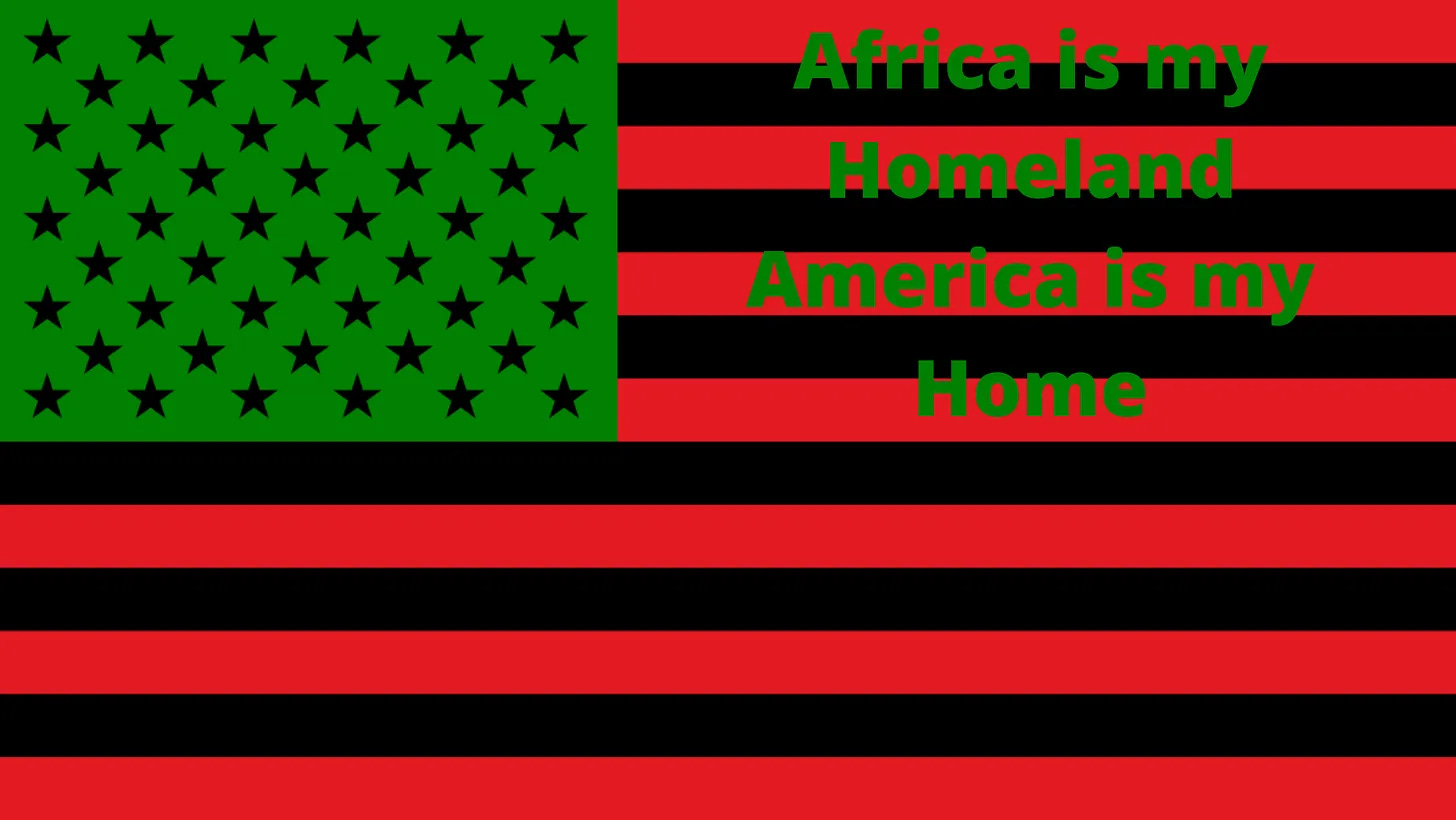
In 1920, Marcus Garvey designed the official Pan-African flag with red, black, and green horizontal stripes.
In 1960, the Central African Republic and Chad gained their independence from France.
In 1984, Morocco and Libya signed the Arabic-African Union treaty.
Our paid subscribers are encouraged to discuss this post in our W.A.S. Chat Community.
You are also welcome to view “We Are Speaking” in Substack Notes. You can also read other Substack publications without subscribing to them when you join Notes.