

Issue #1,031 Today In Black History, Wednesday, May 27, 2026
Please share and subscribe to help us grow this publication.
If you like us, REALLY like us, please click the “Like” button at the end of this post!
We appreciate your support!
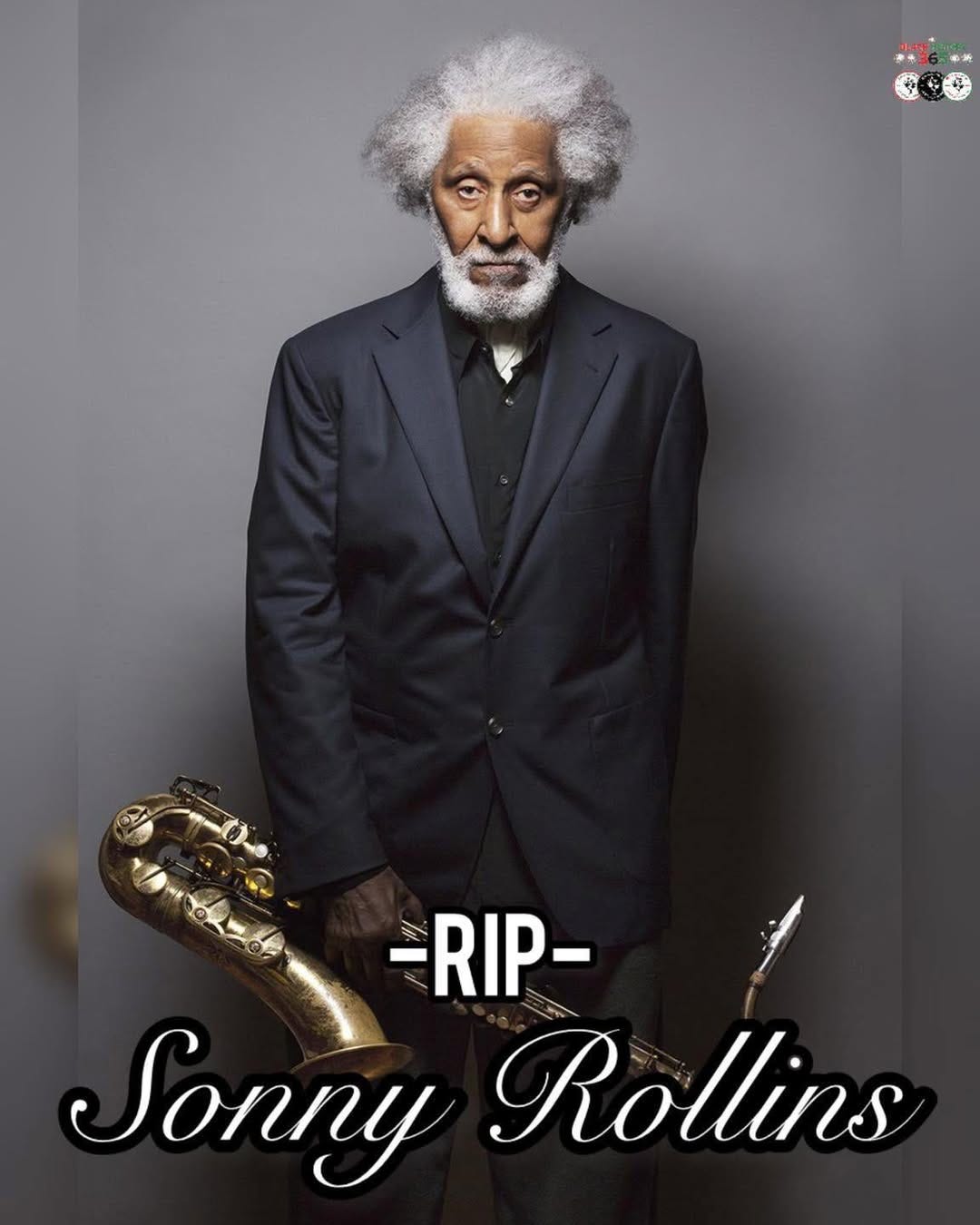
Sonny Rollins: The Saxophone Colossus Who Revolutionized Jazz
I love most genres of music, and jazz is one of my favorites, although I wish I knew more about the jazz greats, such as Sonny Rollins, one of the greatest jazz saxophonists ever. I really enjoyed researching his life and influence before his recent death.
Theodore Walter “Sonny” Rollins stands as one of the most influential and innovative saxophonists in the history of jazz. Born on September 7, 1930, in New York City, Rollins would spend decades reshaping the boundaries of his instrument and transforming the entire landscape of jazz music.
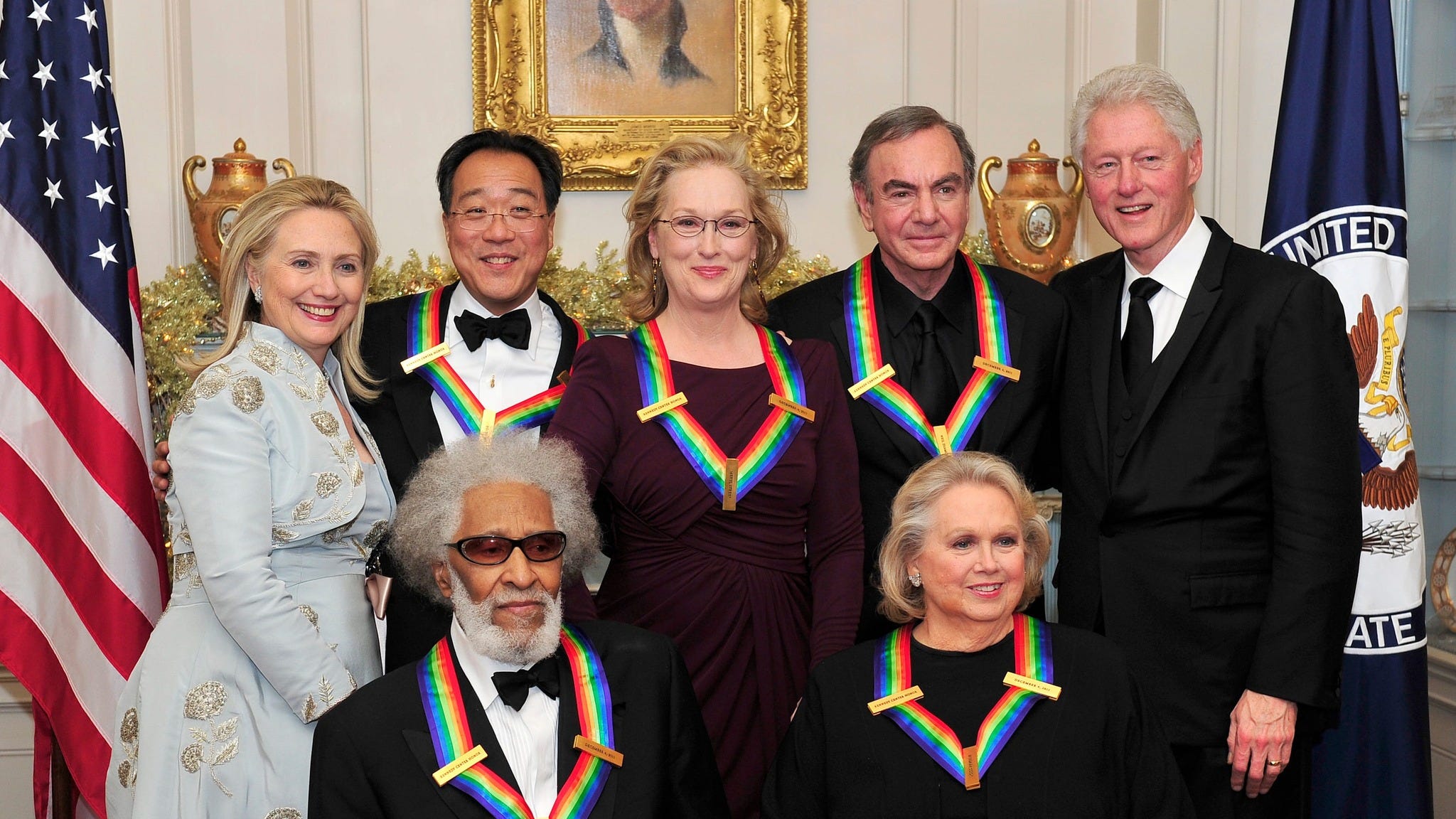
Rollins’ early life in Harlem, where he began his musical journey on piano before switching to the saxophone at age nine. By his teenage years, he was already studying the work of Coleman Hawkins and absorbing the bebop revolution that was reshaping jazz.
His recording career began in earnest in the early 1950s, and by the mid-1950s, Rollins had established himself as a major force in jazz. Albums like “Saxophone Colossus” (1956) became definitive works that showcased his emerging style. The album featured the now-iconic recording of “St. Thomas,” a calypso-inflected tune that demonstrated Rollins’ ability to bring fresh energy to musical material.
What set Rollins apart from his contemporaries was his approach to improvisation. Rather than relying primarily on harmonic sophistication, Rollins was a master of thematic development. He could take a simple melodic idea and spin it into elaborate variations, creating solos that were both intellectually rigorous and emotionally moving, which influenced generations of musicians who came after him.
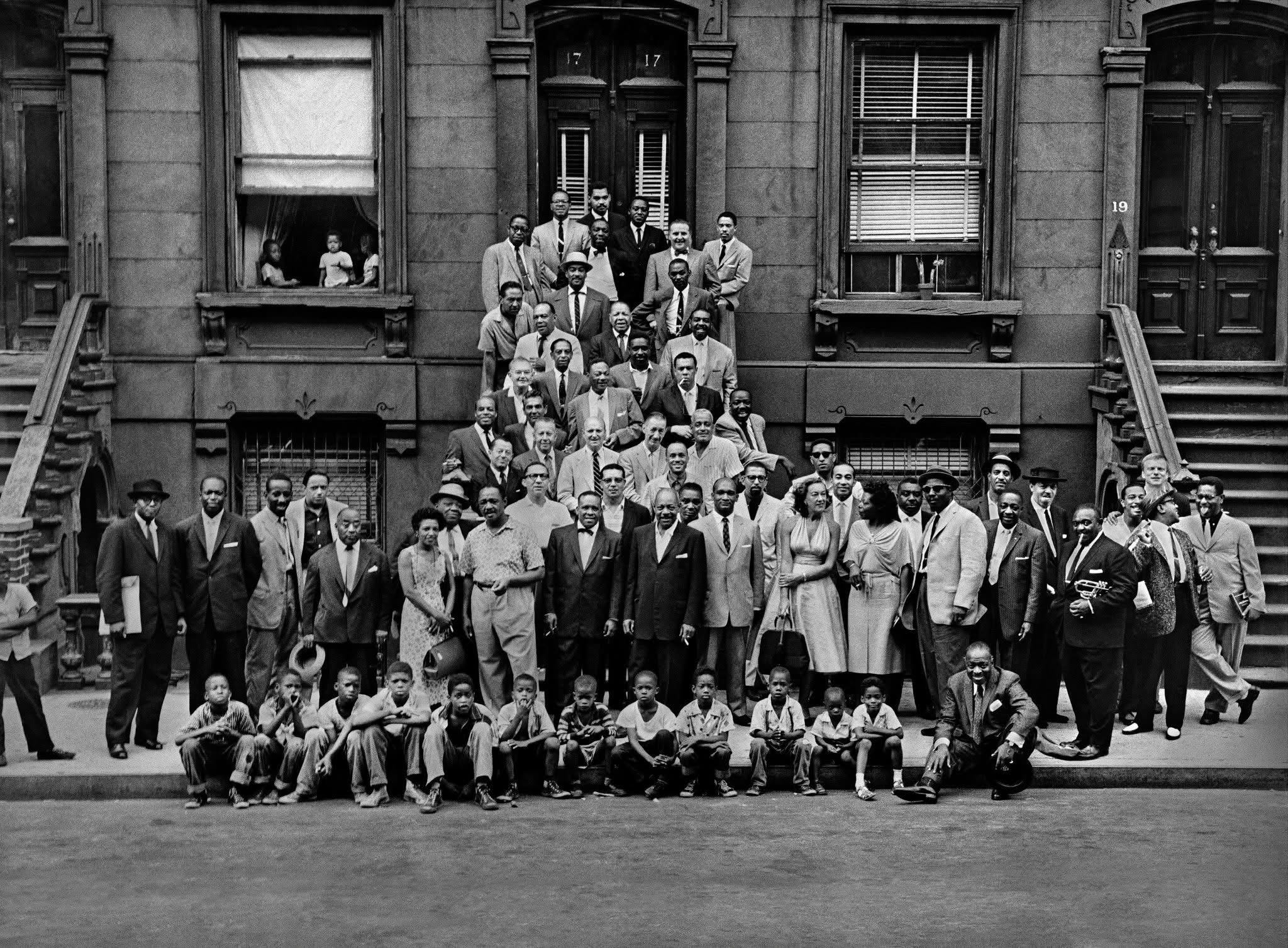
Throughout the late 1950s and 1960s, Rollins created a remarkable body of work with collaborators including Miles Davis, John Coltrane, and Duke Ellington. His tenor saxophone voice was distinctive—full-bodied, assertive, and undeniably soulful. He recorded numerous landmark albums, including “Freedom Suite” (1958), a response to racial injustice in America, and “The Bridge” (1962), which marked his triumphant return to recording after a self-imposed sabbatical. This break from the music industry, during which he famously practiced on the Williamsburg Bridge in Brooklyn, demonstrated his commitment to artistic growth and his refusal to compromise his musical vision.
Rollins experimented with modal jazz, embraced world music influences, and remained engaged with the avant-garde developments in jazz even as he maintained his deep connection to the swing tradition. This balance between tradition and innovation, between accessibility and artistic challenge, made him a bridge figure in jazz history.
Beyond his instrumental prowess, Rollins earned respect for his integrity and his commitment to using his art for social commentary. His “Freedom Suite,” performed with drummer Max Roach, directly addressed the civil rights struggles of Black Americans.
Recognition of Rollins’ genius came through numerous accolades, including Grammy Awards, the National Medal of Arts, and induction into the DownBeat Hall of Fame. Universities honored him as a visiting artist and scholar. Yet perhaps his greatest achievement was his influence on fellow musicians. Virtually every saxophonist who came after him had to grapple with his innovations and find their own path in relation to his legacy.
Sonny Rollins’ career proved that jazz was a serious art form capable of profound expression, and that a musician dedicated to continual growth and experimentation could remain vital and relevant for an entire lifetime. Sonny Rollins stands as a monumental figure whose contributions to music and to human expression remain immeasurable.
Sonny Rollins died at his home in Woodstock, NY, on May 25, 2026, at the age of 95, after suffering from pulmonary fibrosis.
Today In Black History
In 1863, Andrew Cailloux, a Black captain, led the First and Third Native Guard’s assaults on Rebel positions during a Civil War battle at Port Hudson, LA, helping the Union gain control of the Mississippi River. This was the longest military siege in American history.
In 1873, Elijah McCoy patented his improved lubricating cup that lubricated the train engine when it ran out of steam.
In 1890, Black inventor F.J. Ferrell patented a snow-melting apparatus.
In 1963, Jomo Kenyatta was elected as the first Prime Minister and Founding Father of Kenya.
In 1942, U.S.sailor and mess attendant Dorrie Miller became the first Black recipient of the Navy Cross for manning an anti-aircraft gun and, with no previous training in gunnery, shot down a number of Japanese planes during the attack on Pearl Harbor.
In 1958, Ernest Green became the 1st African American to graduate from Central High School in Little Rock, AK.
In 2023, Vice President Kamala Harris became the 1st woman to deliver the commencement address at the U.S.Military Academy graduation ceremony in West Point, New York.
You are welcome to view “We Are Speaking” in Substack Notes. You can also read other Substack publications without subscribing to them when you join Notes.
To financially support “We Are Speaking” for no more than $5 per month, please subscribe at the paid level.
